
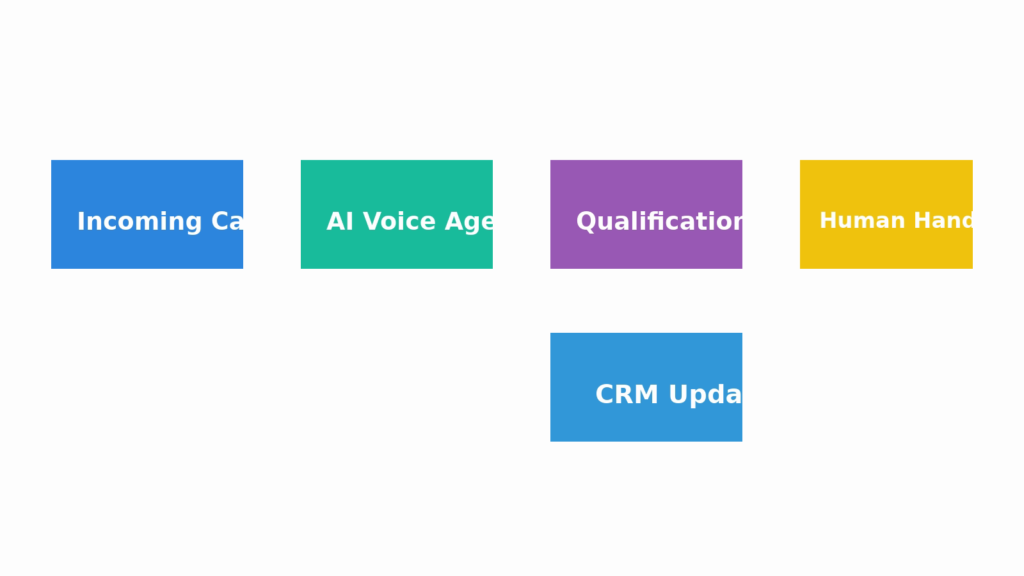
Human-like AI calling bots are moving from simple scripted robocalls to voice agents that can hold natural conversations, qualify leads, answer common questions, and route calls to humans when needed. For businesses, the real value is not “replacing people” — it is handling repetitive call volume faster while your team focuses on high-value conversations.
If your company receives many inbound calls or runs outbound follow-ups, this guide explains where AI calling bots fit, where they fail, and how to deploy them safely.
What are human-like AI calling bots?
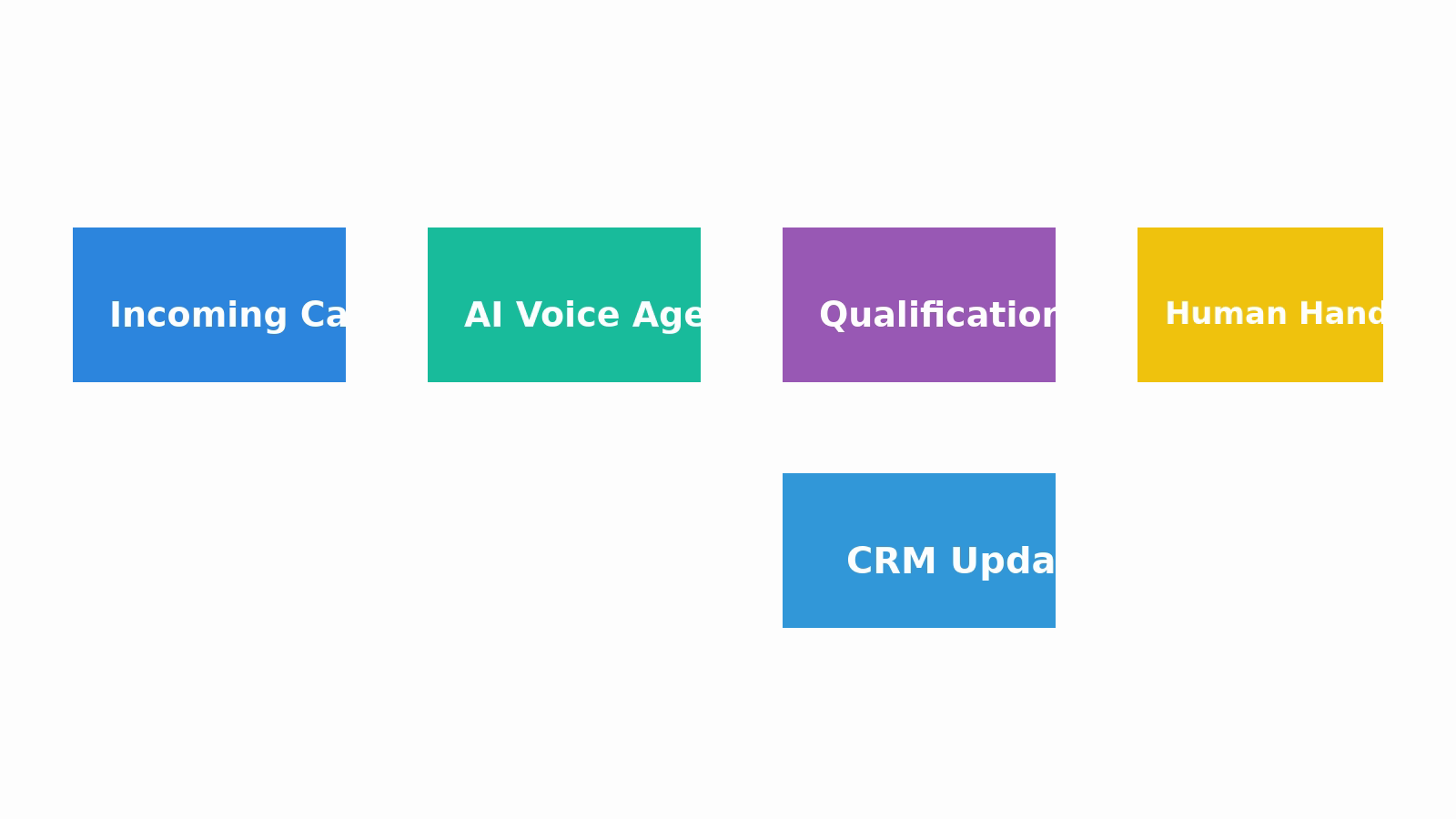
Human-like AI calling bots are AI voice agents that use speech recognition, language models, and text-to-speech to talk with callers in real time. They are designed to sound more natural than traditional IVR systems and can manage multi-turn conversations.
Most systems combine:
- Automatic speech recognition (ASR) to understand the caller
- Natural language understanding to detect intent
- Decision logic to choose the next response or action
- Text-to-speech (TTS) to reply in a human-like voice
- CRM/workflow integrations to update records and trigger follow-ups
Where AI calling bots deliver the best ROI
- Lead qualification: initial screening and routing by budget, location, or service type
- Appointment handling: booking, confirming, and rescheduling calls
- After-hours coverage: no missed inquiries when your team is offline
- Inbound FAQs: consistent answers for repetitive questions
- Follow-up workflows: reminders, status checks, and callback coordination
High-stakes calls (legal disputes, sensitive complaints, complex sales negotiations) should still escalate quickly to trained humans.
Common mistakes businesses make
- Deploying bots without clear escalation paths to human agents
- Trying to automate every call type from day one
- Using generic scripts that ignore customer context
- Skipping compliance, disclosure, and recording policy review
- Measuring only call duration instead of qualified outcomes
How to implement AI calling bots correctly
- Start with one call flow (for example, lead qualification for one service).
- Define success metrics (qualified leads, bookings, transfer quality, response time).
- Build strict escalation rules to hand off confused or high-intent callers.
- Train using real conversation data from your business context.
- Run supervised pilots and review transcripts weekly.
- Expand gradually only after quality and compliance are stable.
What to check before choosing a platform
- Voice quality and interruption handling in real calls
- CRM and helpdesk integrations
- Multilingual support if your market needs it
- Security and data retention controls
- Transparent pricing by minutes, calls, or automation actions
- Live monitoring, transcript review, and quality analytics
AI calling bots in Dubai and UAE markets
In Dubai and across the UAE, businesses often handle multilingual customer interactions and fast response expectations. The winning setup is usually hybrid: AI handles repetitive, time-sensitive call stages, while human advisors manage trust-building and complex decisions.
For local search visibility and better conversion flow, pair AI calling with strong service pages, intent-based content clusters, and clear internal linking.
Read our SEO for Dubai businesses pillar to improve discovery and inbound lead quality.
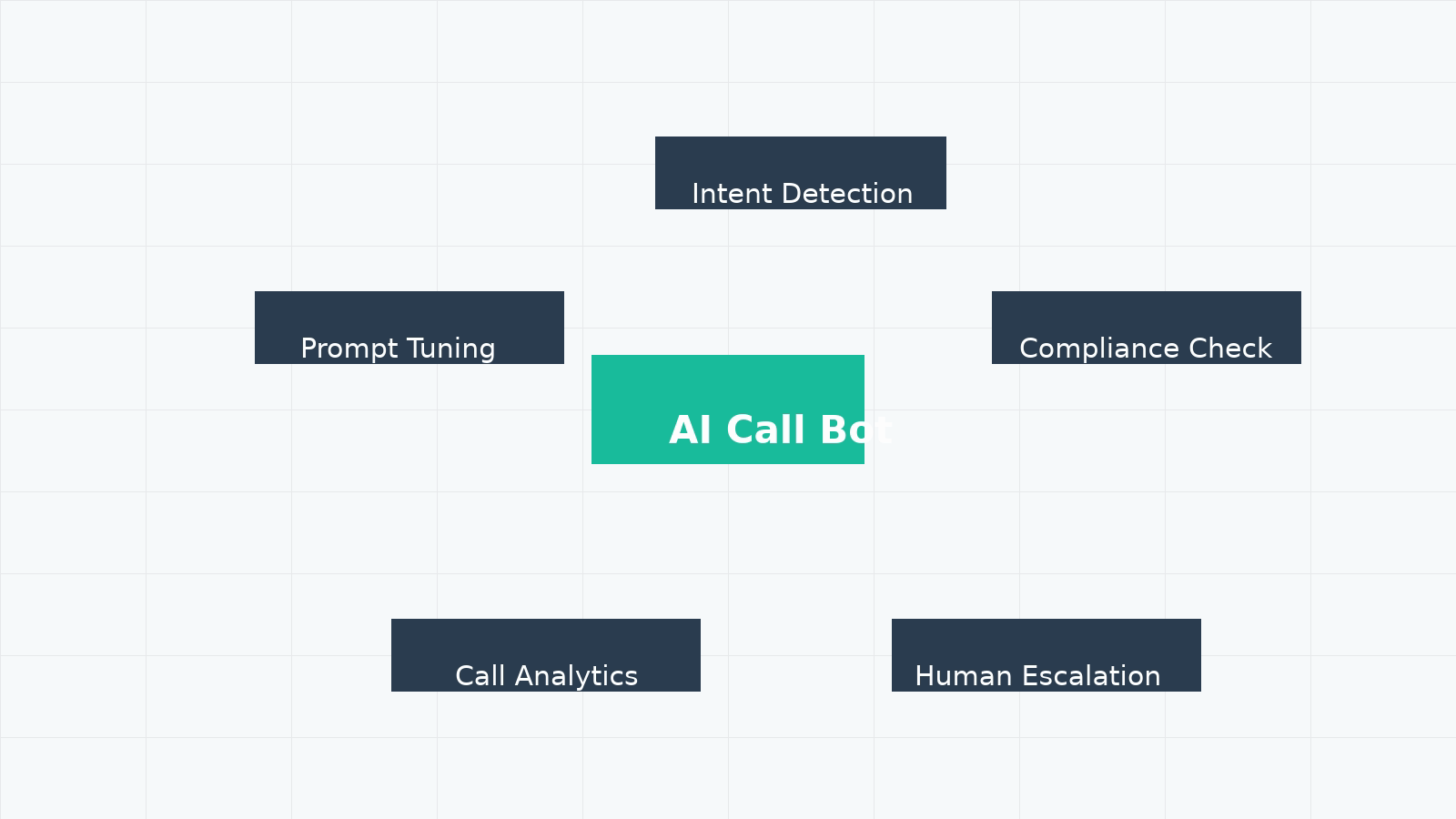
Quick Decision Framework: Where AI Bots Help Most
Repetitive Inbound Questions
Best for FAQ-heavy call flows, after-hours responses, and initial lead screening where speed and consistency matter.
Appointment + Qualification
AI can handle booking and basic qualification, while human staff take over for pricing objections and nuanced decisions.
Complex or Sensitive Calls
Legal, medical, complaint, or high-ticket negotiation calls should escalate quickly to trained human advisors.
AI Calling Bot vs Human Agent: Practical Comparison
| Capability | AI Calling Bot | Human Agent | Best Deployment Choice |
|---|---|---|---|
| Response speed | Instant, 24/7 | Limited by staffing and shifts | Use AI as first-response layer |
| Consistency | Highly consistent scripts/workflows | Varies by training and fatigue | AI for standardized workflows |
| Complex objection handling | Limited in edge cases | Strong contextual judgment | Human takeover on complex paths |
| Cost per routine call | Often lower at scale | Higher with larger teams | AI for repetitive call volume |
| Trust-building conversations | Improving but still constrained | Typically stronger empathy/rapport | Human-led for high-stakes closing |
| Data capture & CRM updates | Automatic when integrated | Manual unless tightly managed | AI + CRM integration for reliability |
FAQs
Are AI calling bots legal?
Legality depends on jurisdiction, disclosure requirements, consent rules, and how recordings/data are handled. Always validate compliance requirements for your market before launch.
Can AI calling bots replace a full sales team?
No. They are best used to automate repetitive call tasks and improve speed-to-response. Human experts remain essential for complex sales and relationship-heavy conversations.
How long does implementation usually take?
A focused pilot can launch quickly when call objectives and integrations are clear. Reliable production quality usually requires iterative tuning over multiple review cycles.
What industries benefit most?
Service businesses with high call volume and repetitive call intents often see strong results: healthcare booking, real estate qualification, education inquiries, local services, and agency lead handling.
Final takeaway
Human-like AI calling bots can significantly improve response speed and operational efficiency — but only when strategy, escalation, and quality control are designed first. Start narrow, measure outcomes, and scale only what genuinely improves customer experience and lead quality.
Want to deploy AI calling as part of a broader growth system? Contact Media87 to plan a practical, conversion-focused rollout.